By The Taranto Team
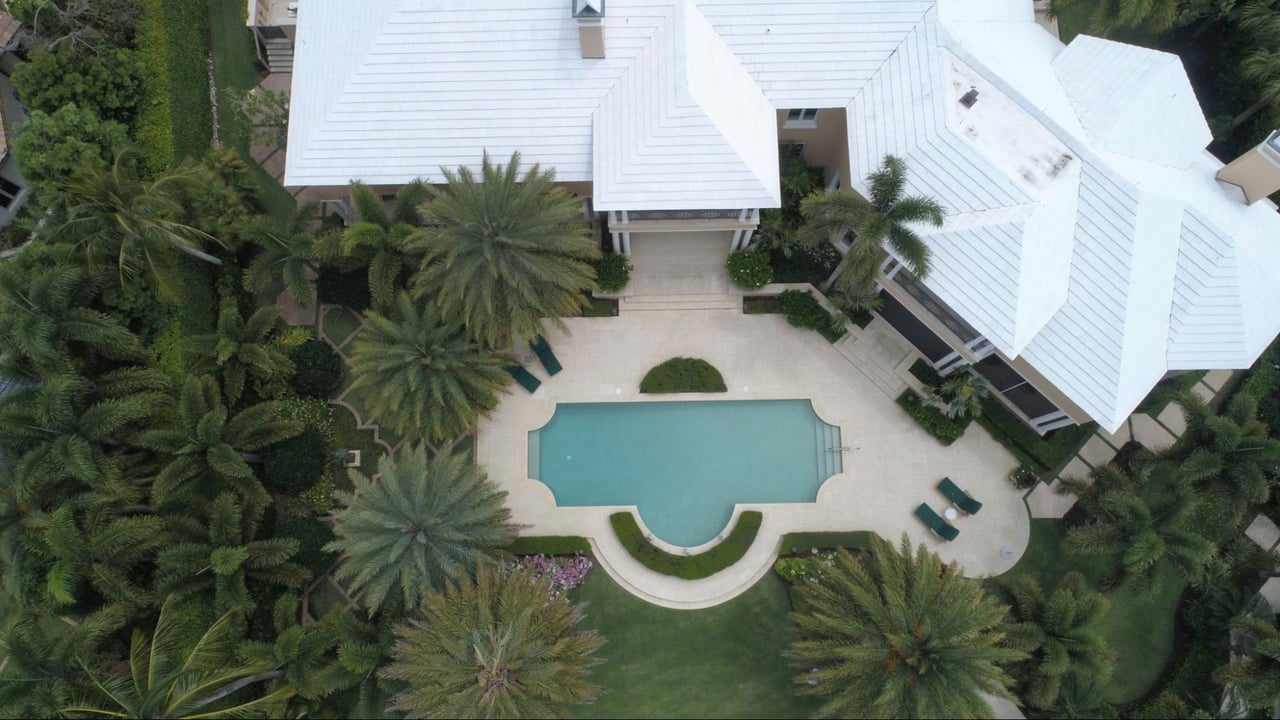
The roof is the most consequential system on a Southwest Florida estate, and it's the one buyers ask about before they've said a word about the kitchen. On the large, articulated roof planes that define so much Naples architecture, choosing between tile and standing seam metal shapes the look of the house, the cost of keeping it up, and how the property presents at resale. Here's what we've found matters most in those conversations.
Key Takeaways
- Collier County requires a minimum design wind speed of 150 mph, rising to 170 mph in some areas
- On a tile roof, the underlayment hidden beneath the tile usually determines when a re-roof comes due
- Current code requires a secondary water barrier whenever a roof covering gets replaced
- Documentation of the roof's age and permit history is among the most valuable things a seller can have ready
What Does Code Require in Collier County?
The requirements here run stricter than most buyers expect, which works in an owner's favor at resale. Collier County's building division applies a minimum design wind speed of 150 mph to typical residential structures, with certain areas requiring 170 mph, and every roof assembly has to be rated to match.
Collier falls within a wind-borne debris region under the Florida Building Code rather than the High Velocity Hurricane Zone that covers Miami-Dade and Broward, and the standards that apply here remain demanding in their own right.
The Code Provisions Worth Knowing
- A minimum design wind speed of 150 mph across Collier County, rising to 170 mph in some areas
- The 25% rule, which requires that repairing or replacing more than a quarter of a roof within any 12-month period bring the entire roof section up to current code
- A secondary water barrier, required whenever a roof covering is removed and replaced
- Roof-to-wall connection improvements on qualifying reroofs, with the cost of that work capped at 15% of the reroofing expense
Tile or Metal on a Naples Estate?
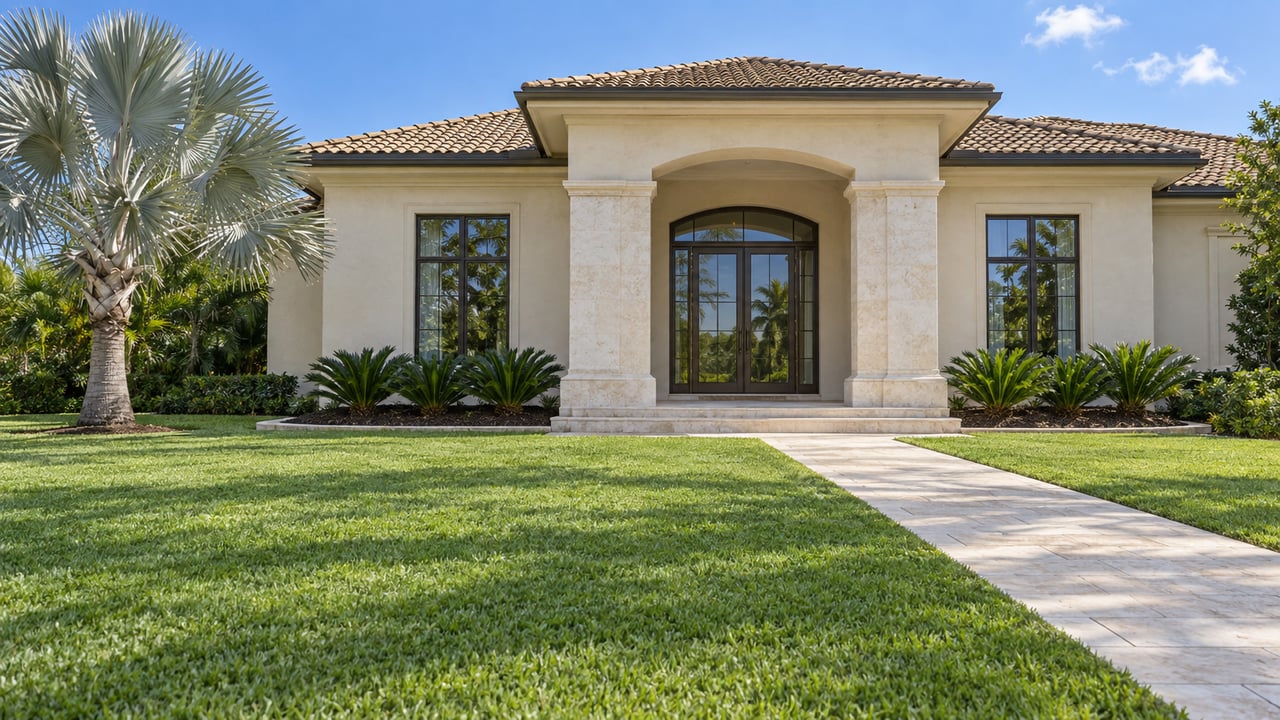
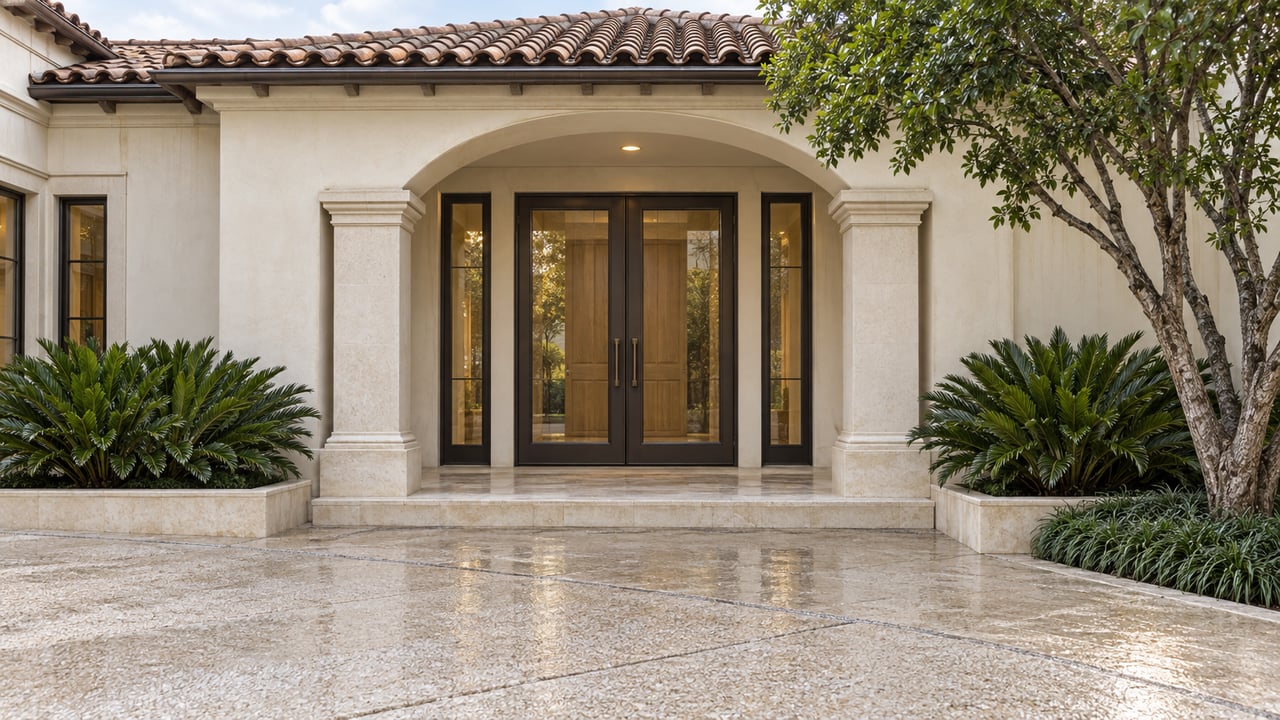
Both materials perform beautifully in this climate, so the decision tends to come down to architecture rather than durability. Clay and concrete tile suit the Mediterranean and coastal-transitional homes that make up much of Naples, while standing seam metal has become something of a signature on the contemporary estates going up along the water.
Where the two diverge in practice is in maintenance rhythm and in how each handles the specific demands of a large, complicated roof with many valleys and transitions.
How the Two Compare in Practice
- Clay and concrete tile carry the architectural weight most Naples estates were drawn for, and the tile itself substantially outlives the underlayment installed beneath it
- Standing seam metal sheds water exceptionally well across long runs and complex valleys, and it suits the cleaner lines of newer coastal architecture
- Weight and structure differ meaningfully between them, since tile requires framing designed to carry it, which matters on any conversion
- Presentation at resale favors whichever material the home's architecture was designed around, which is the point we keep returning to with sellers
What Actually Determines a Roof's Lifespan Here?
The answer is the layer nobody can see from the street. On a tile roof, the tile itself can last for decades beyond the underlayment beneath it, so the underlayment is almost always what triggers a re-roof rather than the visible surface.
That distinction matters a great deal at resale, because a roof that looks immaculate from the driveway may still be approaching the end of its service life, and the paperwork is what settles the question either way.
What Buyers and Inspectors Will Look At
- The age of the underlayment rather than the age of the tile, since the underlayment is the governing layer
- Permit history, which establishes when the work was done and which code edition it was done under
- Flashing, valleys, and penetrations, where large estate roofs concentrate most of their complexity
- Evidence of a sealed roof deck, which IBHS research associates with reducing water intrusion by as much as 95% when a covering is compromised
How Should Sellers Handle the Roof Before Listing?
Gather the complete file first and then decide what to do with it. A full record of the roof's age, permits, and any work performed answers the question every buyer will eventually raise, and it does so before that question has a chance to slow the transaction down.
Whether to reroof ahead of a sale depends entirely on the property and its price point, and it's a conversation worth having early rather than in the middle of a negotiation.
Preparing the Roof Documentation
- Assemble permits and invoices for the original installation along with every repair since
- Confirm which code edition the roof was built or replaced under, since that affects how the 25% rule applies
- Have the roof inspected before listing so you learn what a buyer's inspector will find before they do
- Talk with us about whether reroofing ahead of the sale makes sense at your price point
Frequently Asked Questions
Is Naples in the High Velocity Hurricane Zone?
Naples isn't, and it's a common misunderstanding worth clearing up. The HVHZ covers Miami-Dade and Broward specifically, while Collier County falls under wind-borne debris region requirements with a 150 mph minimum design wind speed.
Does a newer roof help a Naples estate sell?
It removes a variable, and that's worth a great deal at this price point. Buyers of luxury property tend to reward a house where the major systems are documented, current, and settled before they ever make an offer.
Can I replace only part of my roof?
Only up to a point, because the 25% rule limits how much of a roof can be repaired or replaced within a 12-month period before the whole section has to meet current code. Your roofer and the county will confirm exactly how it applies to your particular roof.
Reach Out to The Taranto Team Today
The roof is where a Naples estate quietly makes or breaks its case with a buyer, which is why getting ahead of it is one of the easier wins available to a seller. We'll tell you what's worth doing now, what can wait, and what's better left to negotiate later.
Have a look at the Collier County neighborhoods we specialize in, and reach out to The Taranto Team whenever you'd like us to walk your property the way a buyer's inspector eventually will. Whether that turns out to be a full reroof or nothing more than a well-organized file of permits, you'll head into your first showing knowing exactly where you stand.