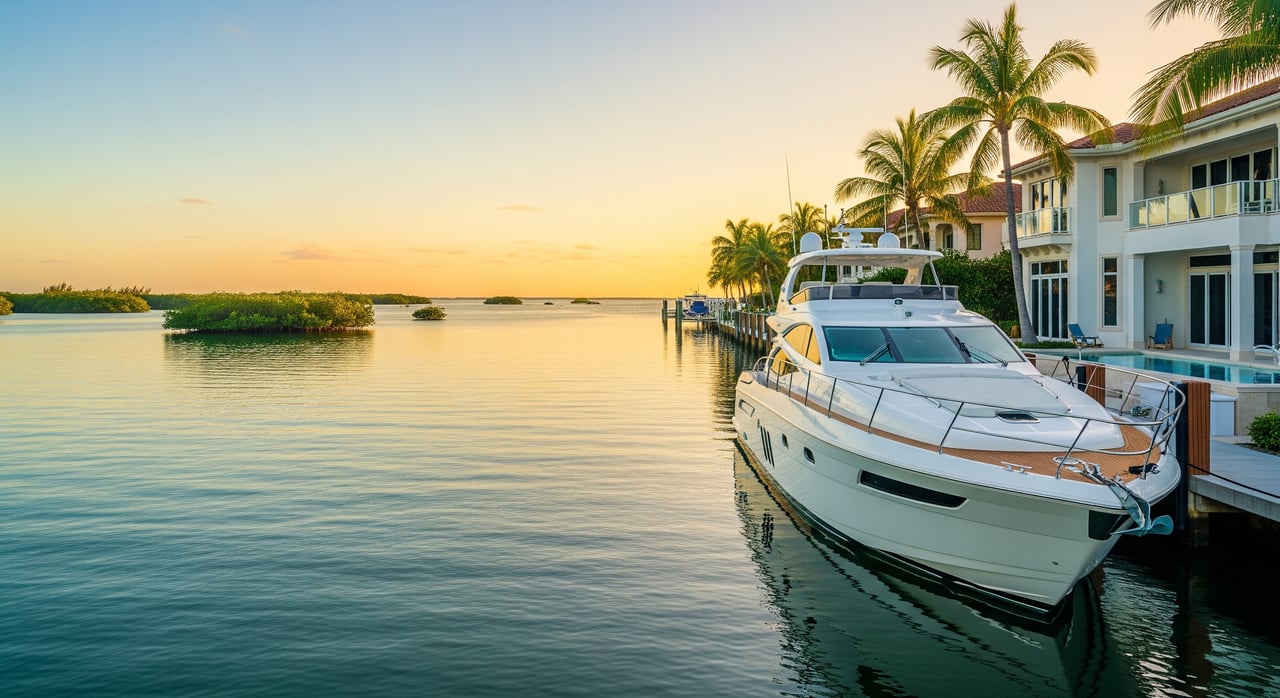
You picture mornings on the water, but you are torn between a sweeping bay view and the quiet ease of a canal. It is a real choice in Aqualane Shores, where every shoreline feels special for a different reason. The good news is you do not have to guess. This guide walks you through the daily realities, boating access, costs, and resale factors that separate bayfront and canal living so you can choose with confidence. Let’s dive in.
Bayfront vs canal: a quick primer
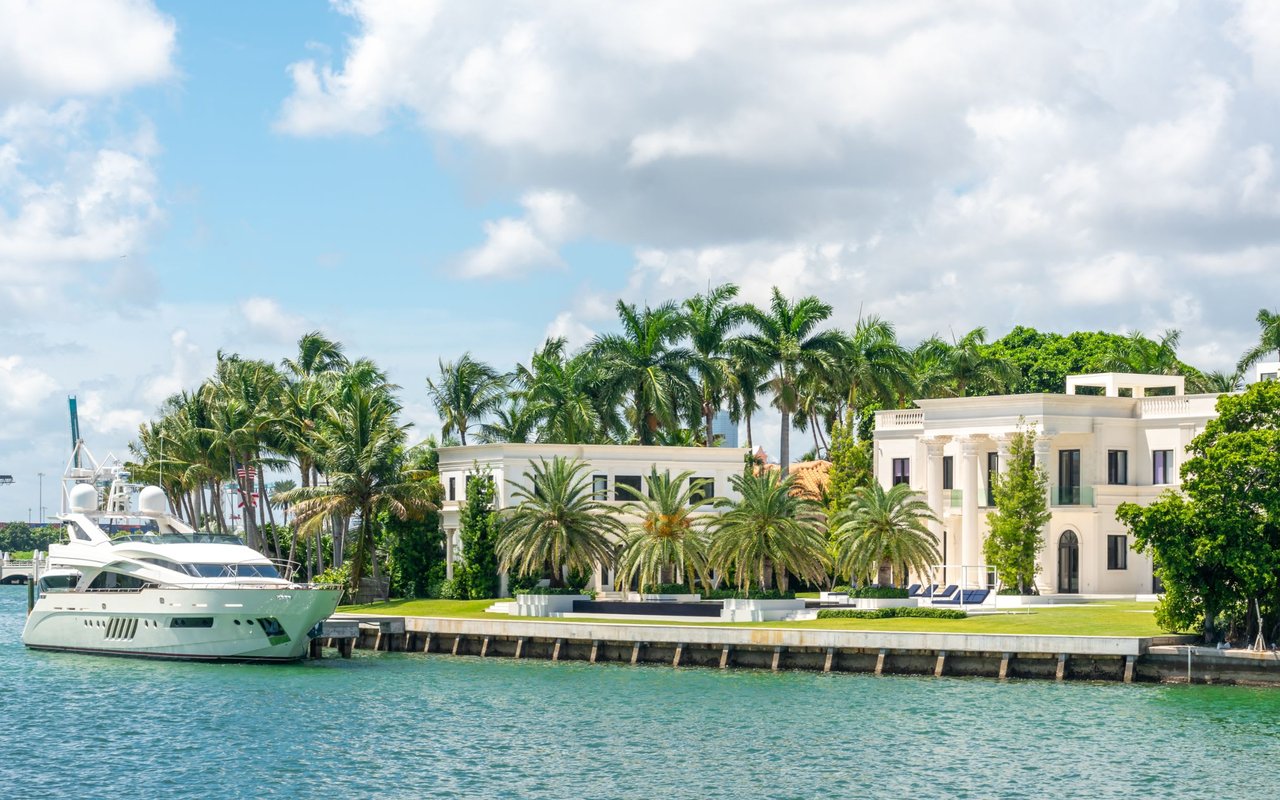
In Aqualane Shores, “bayfront” means your lot faces open water on Naples Bay with wider sightlines and quick proximity to marked channels that lead toward the Gulf of Mexico. “Canal-front” means your home sits along a narrower residential canal that branches from the bay, offering calmer water and more shelter between homes.
Both settings deliver Gulf access through Naples waterways. The difference is how you use that access day to day, how large a boat you keep, and the tradeoff between panoramic views and protected water.
Boating access and daily experience
Bayfront access and use
Bayfront properties typically offer a more direct route to the main channel. You make fewer turns, which can shorten your time to open water. The wider water also gives you more maneuvering room for larger yachts, especially when docking or turning. You will feel more wind and wake activity, so your dock and lift should be built for higher loads.
Canal access and use
Canal-front homes give you a sheltered, private setting that is gentler on boats and docks. Narrower canals can limit boat length or beam, and turning room can be tight for very wide or long vessels. You will make more turns to reach the bay, which adds a few minutes to each trip. For smaller center consoles, runabouts, or seasonal boating, the calm water is a big plus.
Dockage, depth, and marine structures
- Dock options include fixed docks, floating docks, and boat lifts. The right choice depends on your boat size, water depth, and exposure.
- Bayfront lots often fit larger lifts or in-water mooring. Canal lots favor lifts and configurations that fit the canal width and turning radius.
- Seawall condition matters. A high-quality, properly elevated seawall supports a longer service life and can improve insurability. Older seawalls may need repair or replacement to current standards.
- Permits are required for most marine work. Collier County issues permits for docks, lifts, and seawalls. Projects in or over submerged lands can also require approvals from the Florida Department of Environmental Protection and, in some cases, the U.S. Army Corps of Engineers.
Pro tip: Ask for water depth at mean low tide near the dock and along your route to the main channel. Depth and turning clearance are critical for buyers with larger boats.
Exposure, privacy, and views
- Bayfront: You get wide, open vistas that feel cinematic at sunrise and sunset. With the view comes more wind, chop, and passing wakes. Your dock design, fendering, and lift capacity should reflect those loads.
- Canal-front: You enjoy greater privacy from passersby and calmer conditions that are easier on vessels and structures. The tradeoff is a more intimate view and potential limits on boat size due to canal geometry.
Either way, you benefit from Naples Bay access and a waterfront lifestyle. Your choice comes down to whether you value sweeping views and prestige or serene water and day-to-day ease.
Flood zones, insurance, and risk
Waterfront parcels can fall within FEMA flood zones such as AE or VE. Bayfront homes, thanks to direct exposure to open water and wave action, may sit in higher risk designations that require elevated construction and can carry higher insurance premiums. Canal parcels are often more sheltered, though flood risk is still a factor.
Insurance markets change often. Before you go to contract, get property-specific quotes for both flood and wind coverage. Confirm the home’s elevation relative to Base Flood Elevation and review any elevation certificate on file. These details influence your total cost of ownership and financing options.
Maintenance and permitting essentials
- Permitting: Most work on docks, lifts, and seawalls needs Collier County permits. If your project affects submerged state lands, expect to coordinate with the Florida Department of Environmental Protection, and in some cases, the U.S. Army Corps of Engineers.
- Seawall upkeep: Waterfront owners are typically responsible for their seawall’s condition and elevation. Replacement costs can be significant, so inspect early.
- Dredging: Some canals gradually silt in. Maintenance responsibility varies. Verify whether any association or special district addresses dredging in Aqualane Shores, or if owners coordinate privately.
- Environmental rules: Seagrass and mangrove areas are protected. Boaters should avoid prop scarring and follow posted speed and wake zones. Local and state rules administer no-wake areas and boating speeds near docks and in narrow canals.
Respecting these rules protects your investment and the bay’s health while keeping you compliant during any improvements.
Market and resale dynamics
Across the region, bayfront lots often command a premium for open views, larger-boat capability, and perceived prestige. The size of that premium varies with lot width, water depth, dock capacity, home condition, and view corridor. Canal-front homes appeal to buyers who value sheltered water, privacy, and potentially lower marine wear and tear.
For resale, buyers pay attention to what is real and permitted rather than what is possible. A documented lift capacity, verified water depth at low tide, and a younger or well-maintained seawall all boost marketability. Flood zone, elevation, and insurance transparency broaden the buyer pool and support smoother transactions.
How to choose your perfect fit
Ask yourself a few clear questions:
- How large is your boat today, and do you plan to upsize soon? Consider length, beam, and draft.
- How often will you use it? Frequent outings favor quick bay access. Occasional boating can pair well with a canal’s calm.
- Do you value panoramic views most, or is sheltered water and privacy your priority?
- Are you comfortable with potentially higher insurance, dock engineering, and seawall demands in exchange for a bayfront lifestyle?
Answering these points usually reveals whether bayfront or canal is the better match.
Buyer verification checklist
Gather these items before you make an offer:
- Parcel boundary map and lot dimensions from the Collier County Property Appraiser
- FEMA flood zone designation and Base Flood Elevation for the property
- Collier County permit history for seawall, docks, and lifts, including dates and scope of repairs
- Dock specifications, lift ratings, and measured water depth at mean low tide
- Seawall age and condition report from a qualified marine or civil engineer
- Any HOA or special district documents that address canal maintenance, dredging, or mooring rules, if applicable
- Any state approvals or easements involving submerged lands
- Current quotes for flood and wind insurance
- NOAA chart and tide information for the property’s route to the main channel
- Local speed and wake rules that affect daily navigation
Smart negotiation strategies
- Make your offer contingent on a dock and seawall inspection. Include verification of permitted lift capacity and water depth at low tide.
- If you need large-boat access, confirm as-built dimensions and all current approvals for marine structures in writing.
- If insurance cost is a concern, request any elevation certificates early and use them to obtain updated quotes during due diligence.
The bottom line for Aqualane Shores
Bayfront and canal living both deliver the Aqualane Shores lifestyle, just in different ways. Bayfront fits you if you want big-boat capability, fast access to open water, and sweeping views, and you are comfortable managing exposure and maintenance. Canal living fits if you prefer privacy, calm water, and smaller-boat convenience with a gentler day-to-day routine. When you pair your boating goals with verified depth, dock capacity, and seawall condition, the right choice becomes clear.
If you want a private, expert walk-through of available bayfront and canal options, schedule a discreet conversation with the Taranto Team of Naples Florida. We will help you confirm the details that matter and position you for a confident purchase.
FAQs
What is the difference between bayfront and canal homes in Aqualane Shores?
- Bayfront homes face open Naples Bay with wider views and quicker access to main channels, while canal homes sit on narrower, sheltered canals with calmer water and more privacy.
How does boat size affect choosing bayfront vs canal?
- Larger yachts often need bayfront width and turning room, while smaller center consoles and runabouts are typically well suited to canal frontage and lifts.
What flood zones apply to Aqualane Shores waterfront homes?
- Properties can be in FEMA AE or VE zones; bayfront parcels may face higher wave exposure. Always verify the exact flood zone and Base Flood Elevation for the specific lot.
Do I need permits to build or replace a dock or seawall in Naples?
- Yes. Collier County permits are required for docks, lifts, and seawalls, and state or federal approvals may be needed when work involves submerged lands or navigable waters.
How do bayfront and canal properties differ on resale value?
- Bayfront often carries a premium for open views and big-boat access, while canal homes appeal for privacy and calm water. Documented dock capacity, verified depth, and seawall condition strongly influence resale on both.